What is your current role, and where do you work?
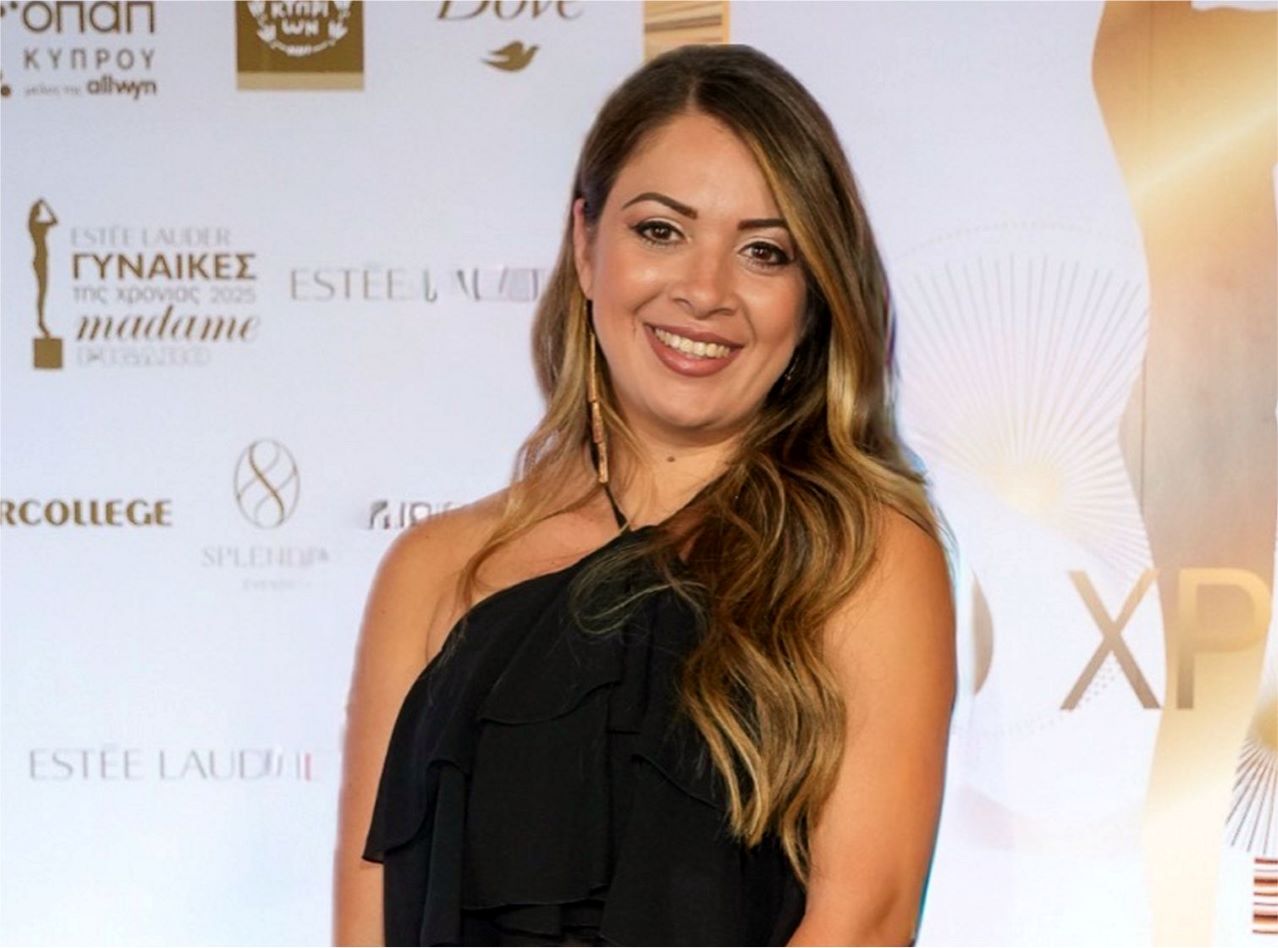
I’m currently a postdoctoral researcher at The Cyprus Institute. My work focuses on mathematical modelling in the context of climate change, exploring how changing climate conditions can affect human health outcomes, including health risks and mortality.
Can you share a bit about your personal and educational background?
I’ve always wanted two things: to study science and to challenge myself by living abroad and learning new languages. At the same time, I’ve also been drawn to carving out a path that feels genuinely mine, not necessarily the most common or expected route, but one that reflects curiosity, growth, and a willingness to step outside what “everyone else” is doing. That mindset is a big part of why I chose France for my undergraduate studies: it combined strong scientific training with the personal challenge of living in a new country and building a new life in a different language.
I come from a biology background and I’ve trained internationally. I completed a BSc in Life Sciences in France, then an MSc in Immunology and Oncology across France and Canada, and later a PhD in Italy focused on cancer biostatistics. During my PhD, I worked with large skin cancer, and more specifically melanoma, patient datasets to understand why some people live longer than others. In simple terms, I identified groups of genes whose activity is linked to overall survival, and I found that some of these survival-related gene patterns can differ between women and men, which highlighted to me how important it is to consider sex differences in medical research.
How did your career path unfold from graduation to where you are today?
My career path has unfolded as a mix of scientific curiosity and a consistent desire to choose experiences that challenge me and help me grow, even if they’re a bit unconventional.
During my BSc in Life Sciences in France, I became increasingly fascinated by cancer, what it does in the body and how it develops over time. That interest guided my next steps into an MSc in Immunology and Oncology, which I completed between France and Canada, where I strengthened my foundations in cancer biology and immune mechanisms.
As I got deeper into oncology, my curiosity shifted from only the biology to also understanding why outcomes vary so much between patients. That naturally brought me to a PhD in Italy, where I used biostatistics and patient data to study melanoma survival, including how some survival-related gene patterns can differ between women and men.
Today, I’m a postdoctoral researcher at The Cyprus Institute, applying modelling skills to a broader public-health challenge: understanding how climate change can influence human health risks and mortality.
What professional achievement are you most proud of and why?
I’m most proud of building an international research path and producing work that has been recognized both within and beyond the scientific community. During my PhD, I was honored to receive a Marie Skłodowska-Curie Actions (MSCA) scholarship to support my research, and I published papers and presented my findings at international conferences. I also received poster awards for my work on melanoma survival and sex-specific biological patterns, including one awarded at an international conference in Calgary, Canada. More recently, I was nominated by Madame Figaro in 2025 as one of five selected women in my category. That recognition felt especially meaningful because, after so many milestones achieved abroad, it was one of the first times I felt my work was being acknowledged in Cyprus as well.
Beyond the awards, what I value most is the combination of skills I developed: turning complex biomedical data into clear, meaningful insights, and doing this while working across different countries and cultures. Speaking Greek, English, French, and Italian has been a big part of that journey, helping me collaborate widely and feel at home in international teams.
How did your experience with AAL contribute to your personal or professional growth?
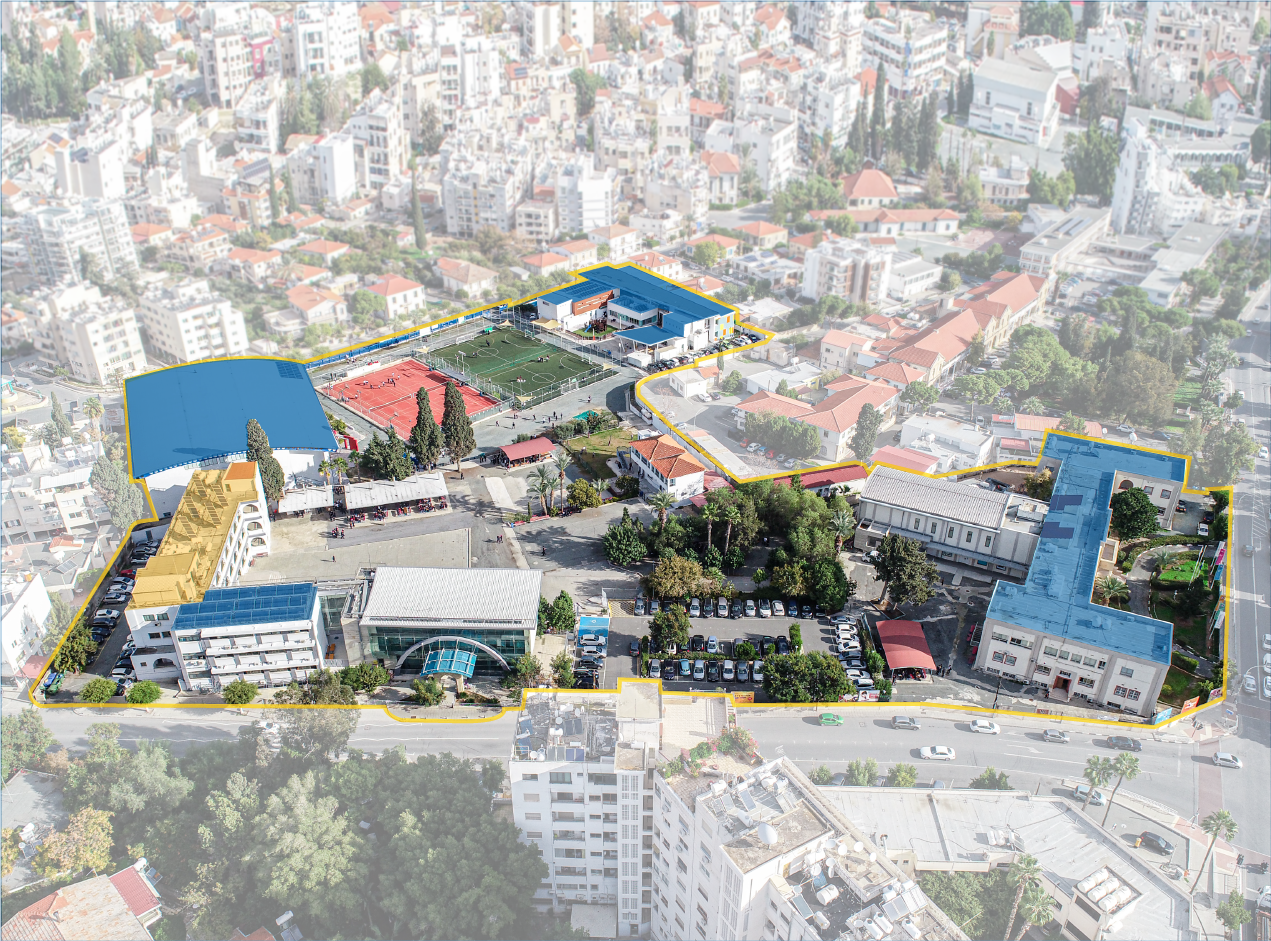
AAL helped me build confidence to aim high and step outside my comfort zone. It strengthened my discipline and communication skills and encouraged a growth mindset. These qualities supported me later when I studied and worked abroad, adapted to new environments, and built an international research path.
What advice would you give to current AAL students?
Stay curious and do not be afraid to explore because your path does not have to be linear. Invest in strong basics like communication, consistency, and critical thinking, and build practical skills early such as languages, writing, and data skills. Say yes to opportunities that challenge you because that is often where the most growth happens.